

Introduction
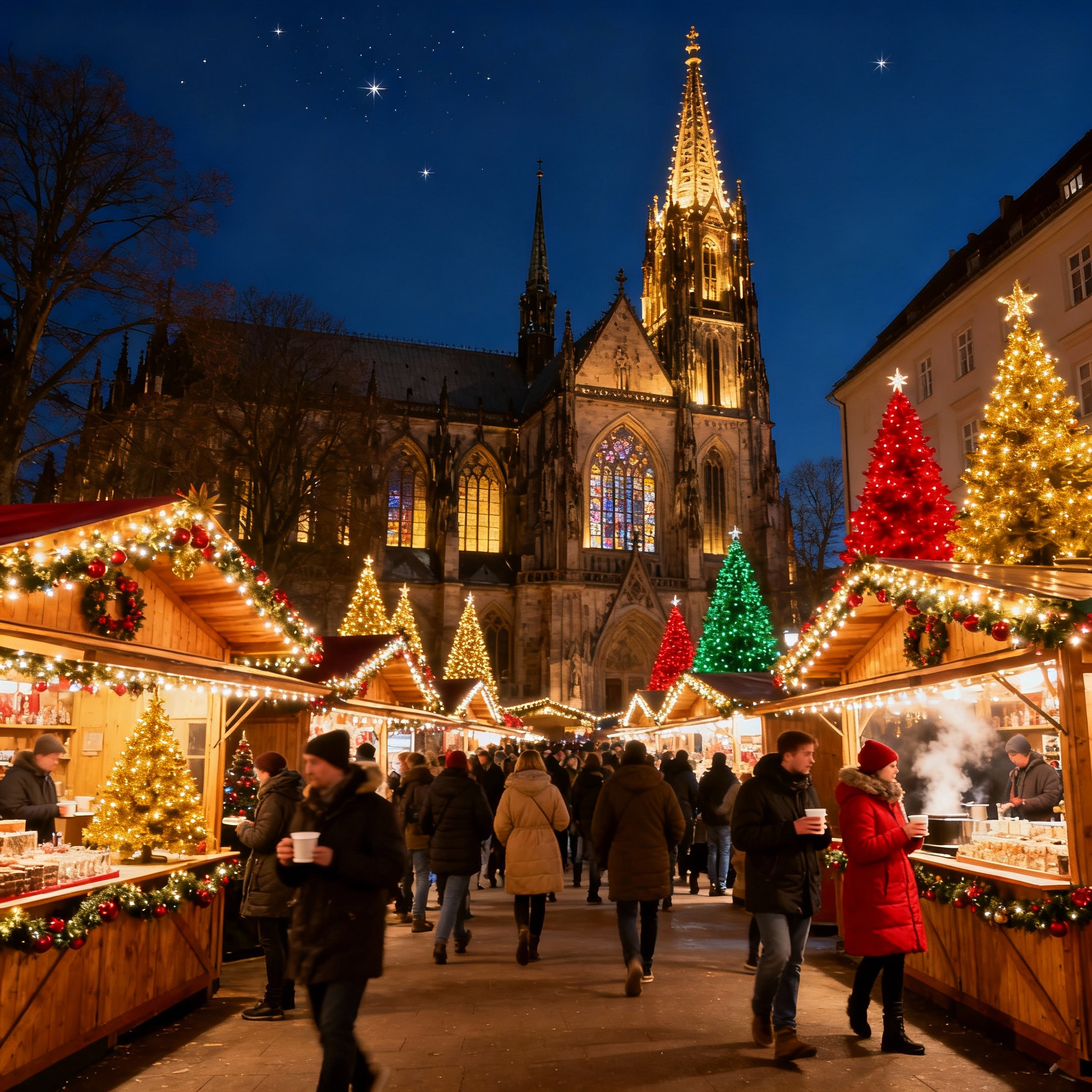
Christmas Markets in Europe 2025 offer a magical winter wonderland experience. As the crisp winter air settles over Europe and twinkling lights illuminate centuries-old town squares, Christmas markets transform the continent into an enchanting destination. For curated picks of the top markets by country, see the European Best Destinations Christmas Markets Guide. From the snow-dusted Alps to the charming medieval streets of Central Europe, these festive markets have become synonymous with the holiday season, offering visitors an unforgettable blend of tradition, culture, and celebration.
Whether you’re sipping mulled wine in a German Weihnachtsmarkt, browsing handcrafted gifts in a Viennese Christkindlmarkt, or indulging in seasonal treats at a French marché de Noël, Europe’s Christmas markets promise an unforgettable holiday experience. This comprehensive guide will take you through the most spectacular Christmas markets across Europe in 2025, helping you plan the perfect festive getaway.

Why Visit Christmas Markets in Europe 2025?
European Christmas markets are more than just shopping destinations—they’re immersive cultural experiences that capture the essence of the holiday spirit. These centuries-old traditions bring together local artisans, regional specialties, and festive entertainment in spectacular settings from historic city squares to majestic castle courtyards.
In 2025, Christmas Markets in Europe 2025 continue to grow in popularity, attracting millions of visitors from around the world who want to experience authentic Christmas Markets in Europe 2025. The combination of authentic craftsmanship, delicious seasonal food and drinks, live entertainment, and enchanting decorations creates an atmosphere that cannot be replicated elsewhere.
Brief History of European Christmas Markets
European Christmas markets trace their origins to the Middle Ages. The Dresden Striezelmarkt, first held in 1434 in Germany, is credited as the world’s first proper Christmas market. The concept quickly spread throughout Europe, especially present-day Germany, Austria, Switzerland, and Eastern Europe.
Originally, markets served as practical sources for locals to stock up on winter supplies and festive goods before Christmas. Over centuries, merchants, artisans, and local bakers brought their crafts to festive stalls, transforming markets into cherished communal traditions filled with music, food, and joy.
Germany: The Birthplace of Christmas Market Magic
Dresden Striezelmarkt
Dresden’s Striezelmarkt is the oldest Christmas market in the world, founded in 1434. Held on the city’s Altmarkt square, it features more than 240 stalls offering everything from hand-carved wooden toys to traditional German Stollen—named for the market itself. The annual Stollenfest is a key highlight, with the world’s largest Stollen cake paraded through the streets. Visit the official Germany Tourism website to learn more about German Christmas markets.
Nuremberg Christkindlesmarkt
Nuremberg hosts Germany’s most famous Christmas market, the Christkindlesmarkt, held in the central Hauptmarkt. With nearly 200 stalls, its glittering “Golden Ring” of shopping features specialty gingerbread (Lebkuchen), wood-carved ornaments, and authentic Nuremberg sausage. The market is opened yearly by the “Christkind,” a local girl dressed as the Christmas Angel.
Cologne Cathedral Markets
Cologne offers seven distinct markets, but the main event surrounds its stunning Gothic cathedral. More than 150 festively decorated stalls sell holiday treats, crafts, and gifts with the backdrop of the Cathedral. The Heinzels Winter Market and Harbourfront Market give unique, contemporary spins on traditional Christmas shopping.
Austria: Imperial Splendor and Alpine Charm
Vienna Christmas World (Wiener Christkindlmarkt)
Vienna’s Christmas World, at the Rathausplatz, is among Europe’s most elegant holiday markets. Over 150 stalls sell ornamented crafts, gourmet food, and Viennese specialties. Nearby, Schönbrunn Palace hosts a regal market filled with Austro-Hungarian delights and live music performances. Visit the official Vienna Tourism website for more information on Vienna’s Christmas markets.

Salzburg Christkindlmarkt
Salzburg brings Mozart’s musical magic to its festive Residenzplatz and Cathedral Square. Expect sweet Austrian pastries and cookies, handmade glass and wood crafts, and impromptu performances of carols and classical tunes. The setting—baroque architecture and snow-covered mountains—delivers true Alpine enchantment.
France: Romance, Lights & Flavors
Strasbourg Christkindelsmärik
Strasbourg, “Capital of Christmas,” established its market in 1570. Centered around its majestic cathedral, the market features 300 chalets offering Alsatian bredele cookies, mulled wine, handmade gifts, and Christmas nativity decorations. The Place Kléber hosts one of Europe’s tallest Christmas trees, dazzling visitors day and night. Learn more at the official Strasbourg Christmas Market website.

Lyon Festival of Lights & Christmas Market
Lyon’s Marché de Noël coincides with its fabled Festival of Lights (Fête des Lumières). Markets are illuminated by artful displays and projections, while stalls sell Lyonnaise specialties, artisan chocolates, silk scarves, and festive decor.
Czech Republic: Fairytale Christmas Wonderlands
Prague Christmas Markets
Prague’s Old Town Square comes alive with medieval Christmas charm: hand-blown glass ornaments, unique crafts, trdelník pastries, roasted sausages, and Czech mulled wine (“svařák”). The view of Prague’s astronomical clock glowing above market stalls, with music and carousels, feels straight out of a storybook. Explore more at the official Prague Tourism website for Christmas market information.
Belgium: Sweet Treats and Majestic Squares
Brussels Winter Wonders
Brussels transforms its central Grand Place—a UNESCO World Heritage site—into a glittering winter wonder. Over 200 chalets, a Ferris wheel, ice rink, and light shows set the scene for tasting Belgian waffles, artisan chocolates, and warming drinks. Don’t miss the enchanting sound-and-light shows in the square nightly.
Switzerland: Elegant Festivities & Mountain Magic
Zurich Christkindlimarkt
Zurich’s indoor Christkindlimarkt, located in the city’s main train station, features a 50-foot Swarovski Christmas tree, hundreds of stalls, and Swiss specialties such as fondue bread bowls, roasted chestnuts, and chocolate confections. Outdoor markets at Bellevue and the old town add Alpine flair.
Nordic Countries: Scandinavian Christmas Traditions
Copenhagen Tivoli Gardens Market
Tivoli Gardens transforms into a magical Christmas city with Danish gnomes (nisser), fairground attractions, and cozy stalls serving æbleskiver (pancake balls), glögg (mulled wine), and local crafts. The Nordic approach features sustainable decor, eco-friendly gifts, and family-friendly activities.
Stockholm Skansen Christmas Market
Stockholm’s open-air museum, Skansen, hosts a traditional market with Swedish handicrafts, sausages, saffron buns (lussekatter), and glögg. Carol singing, animal exhibits, and artisanal workshops bring the spirit of Swedish Christmas to life.
Must-Try Foods at European Christmas Markets
- Stollen (Germany) – Sugary fruit bread, dusted in powdered sugar
- Lebkuchen – Soft gingerbread cookies, often heart-shaped
- Bredele (France) – Mini Christmas cookies, buttery and delicate
- Raclette (Swiss/French) – Melted cheese served over potatoes or bread
- Trdelník (Czech) – Sweet, spit-roasted pastry dusted with cinnamon
- Kürtőskalács (Hungarian Chimney Cake) – Spiral-shaped pastry, crispy outside, soft inside
- Sausages & Bratwurst – German grilled sausages
- Crêpes (France/Belgium) – Sweet or savory pancakes
- Saffron Buns (Sweden) – Lussekatter, golden, gently spiced
Essential Travel Tips: Planning Your Christmas Markets Adventure
- Best Visiting Times: Most markets open from late November until December 23, with some open until New Year’s.
- Weather: Dress warmly! Layer up and bring waterproof boots.
- Bring Cash: Not all stalls take cards; some prefer local currency.
- Portable Power: Cold weather drains phone batteries quickly.
- Accommodation: Book early; markets increase hotel demand.
- Internal Links: Reference your other European festival articles!
- Public Transport: Many cities offer Christmas market passes for local transport plus market discounts.
Accommodation Strategies for Holiday Travelers
Stay near city centers for easy access to markets. Consider:
- Boutique hotels for heritage charm
- Modern hotels with festive amenities
- Vacation rentals for families and longer stays
Look for stays offering “Christmas market packages” or partnerships with local tours.
Frequently Asked Questions (FAQ)
What is the oldest Christmas market in Europe?
- Dresden’s Striezelmarkt in Germany, founded in 1434.
When do Christmas markets typically open and close?
- Most start late November and close December 23–24, though some run until New Year’s.
Are European Christmas markets family-friendly?
- Absolutely! Families enjoy children’s events, ice rinks, carousels, and special activities for kids.
Can I buy local crafts and souvenirs at the markets?
- Yes—expect handmade ornaments, woodwork, toys, textiles, and local gourmet specialties.
What are the COVID-safe practices in 2025?
- Check each city’s health guidelines; outdoor markets generally offer safe, well-ventilated environments.
Conclusion: The Spirit of European Christmas
From the majestic squares of Vienna and Dresden to the vibrant streets of Strasbourg, Prague, and Brussels, Christmas markets offer a magical journey through Europe’s festive traditions. Whether you come for unique gifts, mouthwatering treats, or simply to feel the joy and togetherness of the season, the markets of Europe welcome all with open arms.
Start planning your 2025 Christmas market adventures today, and get ready to experience the most magical holiday moments you’ll ever remember!


Leave a Reply