

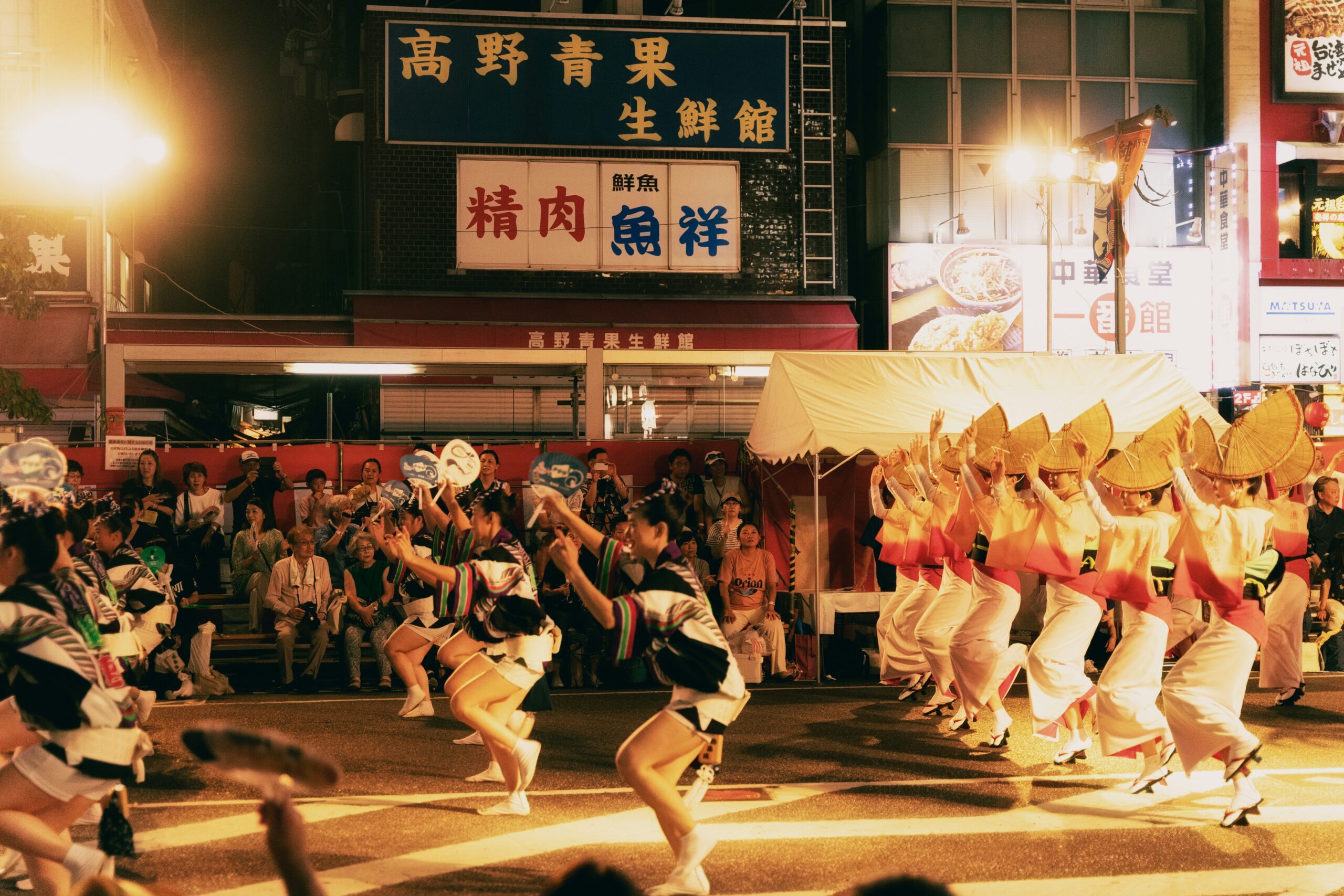
Awa Odori 2025:If you’ve ever dreamed of experiencing one of Japan’s most electrifying festivals, where thousands of dancers move in perfect synchronization to energetic drumbeats and traditional chants, then Awa Odori is calling your name. This extraordinary dance festival, deeply rooted in centuries of Japanese tradition, transforms the streets of Tokushima Prefecture every August into a vibrant celebration of culture, music, and pure joy.
Whether you’re a seasoned festival-goer or experiencing Japanese culture for the first time, Awa Odori offers an unforgettable spectacle that goes beyond typical tourist attractions. This guide will walk you through everything you need to know to make the most of your Awa Odori experience in 2025.

What is Awa Odori? The Heart of Tokushima’s Famous Festival
Awa Odori stands as one of Japan’s most electrifying and visually captivating festivals, attracting hundreds of thousands of visitors each year. The festival’s name literally translates to “Awa dance,” with “awa” being the traditional name for Tokushima Prefecture. Dating back approximately 400 years, this legendary celebration combines athletic prowess, artistic expression, and infectious energy that creates an atmosphere unlike anything else in the festival calendar.
What makes Awa Odori truly special is its scale and participation. During the four-day festival held every August 12-15, over 1,500 dance groups called “ren” take to the streets, with more than 100,000 performers dancing simultaneously. The streets pulse with energy as the distinctive sounds of drums (taiko), flutes (fue), and shamisen (three-stringed guitars) create an irresistible rhythm that compels people to dance.
The festival isn’t just a spectacle to watch from the sidelines either. Visitors can actually participate in the dancing, making it one of Japan’s most interactive and immersive cultural experiences.
Awa Odori 2025 Dates and Schedule: Planning Your Festival Experience
The Awa Odori Festival runs for exactly four days: August 12-15, 2025. Mark these dates on your calendar now because this is Japan’s premier summer festival, and accommodations fill up quickly.
During these days, the festival transforms Tokushima’s streets into a non-stop celebration. Different performance areas and timing schedules mean that you’ll want to plan your days strategically to see the different “ren” (dance groups) and catch various viewing locations. The festival starts mid-afternoon and continues late into the night, with the most spectacular performances typically happening during evening hours when the energy reaches its peak.
Many visitors arrive a day or two early to acclimate, explore Tokushima, and scout out good viewing spots. If you’re planning to participate rather than just watch, you’ll definitely want extra time to find a dance group and learn the basic steps.
Getting to Tokushima: Transportation Guide
Tokushima is located on Shikoku Island and is easily accessible from major Japanese cities. The journey is straightforward whether you’re coming from Osaka, Tokyo, or other parts of Japan.
By Air: The easiest option for international visitors is flying into Osaka’s Kansai International Airport or Nagoya’s Central Japan International Airport. From there, you can take a bus or rent a car to drive to Tokushima (about 2-3 hours from Osaka). Several airlines also operate flights directly from Tokyo to Tokushima Airport.
By Train: Japan Rail Pass holders will appreciate the excellent train connections. The Shinkansen (bullet train) reaches Okayama Station, from which you can take a local train to Tokushima (approximately 2 hours). Regular JR trains also connect Tokushima directly to Kobe and Osaka.
By Car: Renting a car gives you flexibility to explore Tokushima Prefecture’s beautiful countryside and hot spring areas. The drive from Osaka takes about 2-3 hours on toll expressways.
Public Transportation in Tokushima: Once you arrive, the city’s bus network is comprehensive and English signage is becoming more common. Many tourists opt for taxis, which are readily available and relatively affordable by Japanese standards. The festival organizers typically provide free shuttle buses from main train stations to key festival viewing areas.

Where to Stay: Accommodation Options in Tokushima
Finding comfortable accommodation during Awa Odori can be challenging because the festival draws massive crowds. Book your lodging at least 2-3 months in advance if possible. Here are your main options:
Hotels: Tokushima has several mid-range and luxury hotels that offer contemporary comfort with traditional Japanese hospitality. The downtown areas near the festival routes offer the most convenient locations.
Ryokans: Traditional Japanese inns provide an authentic experience, often featuring tatami mat rooms, kaiseki dinners, and communal hot spring baths. Several ryokans in nearby mountainous areas offer the full Japanese experience combined with hot spring therapy.
Guesthouses and Budget Accommodations: Hostels and guesthouses are increasingly popular and offer excellent value. Many have social atmospheres perfect for meeting fellow festival enthusiasts.
Japanese Apartments: Short-term apartment rentals give you kitchen facilities and more space, ideal for families or groups.
Pro Tip: Consider staying in nearby cities like Kobe or Okayama if Tokushima is fully booked, though you’ll have a 1-2 hour commute. The extra travel time might be worth the savings and availability.
Budget Estimates: Mid-range hotels cost $80-150 per night, ryokans $100-200, and budget hostels $25-50. Factor in your accommodation early when planning your Awa Odori trip.
How to Participate in Awa Odori: Becoming a Dancer
One of the most magical aspects of Awa Odori is that tourists aren’t relegated to watching from the sidelines. You can actually join one of the many “ren” (dance groups) and become part of the performance yourself. This transforms your experience from spectator to participant.
Joining a Ren: Most dance groups welcome visitors of all skill levels. Some groups are more formal and require advance registration, while others happily accept walk-ups. Hotels and tourism information centers can help you connect with local ren that accept tourists. Some international tour operators pre-arrange participation as part of their festival packages.
The Dance Basics: The Awa Odori dance itself is surprisingly simple to learn. The basic steps consist of moving forward and backward with synchronized upper body movements. The saying goes, “If a man dances well, it’s Awa Odori; if a man dances poorly, it’s still Awa Odori” — emphasizing that anyone can participate regardless of ability.
Costumes and Setup: Most groups provide a yukata (casual kimono) or happi coat, eliminating the need to bring your own. They’ll also provide bells (suzu) for your hands and feet. You’ll typically pay a small fee ($15-30 USD) to join, which covers costume rental.
The Experience: Dancing through the streets surrounded by hundreds of other performers, hearing the thunderous drums, feeling the collective energy — it’s impossible to describe in words. First-time participants often report that it’s one of the most memorable experiences of their lives.
Best Viewing Locations and Festival Routes
If you prefer to watch rather than dance, strategic positioning is key to experiencing the best of Awa Odori. The festival doesn’t happen in one location but rather transforms the entire downtown Tokushima into a performance venue.
Main Performance Streets: The primary venues are Komatsushima-dori, Tachibana-dori, and Aji-kaji-dori streets. These thoroughfares host the majority of the scheduled performances. If you want the guaranteed best views, arrive early (the festival starts around 2 PM) to claim a good spot along these streets.
Standing vs. Seated: Some areas offer paid bleacher seating with excellent sightlines, typically costing $20-50 per seat. Standing room along the streets is free but requires early arrival during peak hours. Many visitors alternate between paid viewing areas and free standing locations throughout their time at the festival.
Timing Strategies: The festival runs from afternoon until late night (around midnight). Peak energy and the largest performances usually happen between 7-10 PM. If you can’t endure standing for hours, aim for this prime time window.
Noise Levels: Awa Odori is LOUD. Bring earplugs if you’re sensitive to sound. The constant drumming and chanting create an overwhelming sensory experience that’s beautiful but intense.
Camera Tips: Bring a good camera or smartphone. You’ll capture incredible photos and videos. Consider stabilizing equipment like a tripod if you plan to film.
What to Pack: Essential Items for Awa Odori 2025
August in Tokushima is hot, humid, and intense. Proper packing can mean the difference between a comfortable experience and a miserable one.
Clothing: Wear light, breathable fabrics like cotton and linen. Loose-fitting clothes allow sweat to evaporate and air circulation. Comfortable walking shoes are non-negotiable—you’ll be standing or walking for hours. Avoid heavy denim or synthetic materials that trap heat and moisture.
Weather Protection: August means sun protection is essential. Bring sunscreen (SPF 50+), sunglasses, and a wide-brimmed hat. A light rain jacket or compact umbrella is wise, as summer thunderstorms occasionally pass through Tokushima.
Hydration and Nutrition: This is critical. The crowds, heat, and excitement can make you forget to drink water. Carry a refillable water bottle—tap water in Japan is safe and excellent. Bring energy snacks like nuts, dried fruit, or energy bars. Festival food stalls offer options, but they’re crowded and prices are premium.
Personal Care Items: Portable wet wipes are lifesavers in the humidity. A small towel for sweat absorption, deodorant, and blister treatment supplies are important. Many people bring a change of clothes to stay fresh.
Electronics and Valuables: A portable phone charger is essential, as you’ll likely use your phone extensively for photos, navigation, and translation. Keep valuables secure—use internal money belts for passports and excess cash. Pickpocketing, while rare, can occur in large crowds.
Optional but Helpful: Motion sickness bands if you’re prone to dizziness in crowds, earplugs for sleeping through festivities at your accommodation, and a small first aid kit for minor injuries.
Practical Tips for First-Time Visitors
Budget Planning: Allocate roughly $100-200 per day for food, activities, and minor expenses beyond accommodation. Festival participation costs are minimal, but food and transportation add up.
Language: While English is increasingly common in tourist areas, learning basic Japanese phrases helps tremendously. Download a translation app as backup. Many festivals staff members speak English.
Cultural Sensitivity: Respect the festival’s cultural significance. Don’t mock the traditions or treat it as merely entertainment. The Awa Odori represents centuries of cultural heritage and community pride.
Embracing Fatigue: You will be tired. The festival’s energy is infectious, but pace yourself. It’s acceptable to rest during low periods and return when energy levels peak.
Making Connections: The festival attracts people from across Japan and worldwide. Strike up conversations with fellow viewers and dancers. Some of the best memories come from unexpected friendships made during Awa Odori.
Documentation: Capture memories through photos and videos, but don’t spend the entire festival behind a screen. Balance documentation with actual participation and presence.
Post-Festival: Plan a day of recovery after the festival ends. You’ll be physically and emotionally drained. Consider visiting nearby hot springs for relaxation and rejuvenation.
Final Thoughts: Why Awa Odori Matters
Awa Odori represents more than just a four-day celebration. It embodies Japanese community spirit, artistic expression, and the joy of collective celebration. The festival transcends age, skill level, and cultural background, inviting everyone to participate in something extraordinary.
Attending Awa Odori 2025 isn’t just a vacation activity; it’s a transformative cultural experience that stays with you long after the festival ends. The memories of dancing through neon-lit streets surrounded by hundreds of performers, the infectious rhythm of taiko drums reverberating through your chest, the camaraderie of strangers united in celebration—these moments become treasured stories you’ll share for years.
Whether you’re a seasoned festival enthusiast or experiencing Japanese culture for the first time, Awa Odori welcomes you with open arms. Start planning now, book your accommodation, and prepare for the most electrifying four days of your life. Awa Odori 2025 awaits, and you won’t want to miss it.


Leave a Reply