

When Dust Becomes Art: Your Complete Guide to Burning Man 2026
If there’s one event in North America that pushes the boundaries between art, community, and personal transformation, it’s Burning Man. Every year, tens of thousands of creative souls descend on Nevada’s Black Rock Desert to build a temporary city dedicated to self-expression, radical inclusion, and experimental culture. In 2026, Burning Man promises to be as electrifying, challenging, and unforgettable as ever—and if you’re thinking about making the pilgrimage, this guide has everything you need to survive and thrive in the dust.
What Is Burning Man, Really?
Burning Man isn’t just a festival; it’s a week-long social experiment where art meets community meets complete cultural chaos—in the best possible way. Founded in 1986 when a handful of friends burned a wooden man on San Francisco’s Baker Beach, what started as a small bonfire has evolved into a city of 70,000+ people that rises and vanishes into the desert each August.
The core ethos revolves around ten principles: radical inclusion, self-expression, self-reliance, radical self-governance, decommodification (no buying and selling except ice and fuel), gifting (everything else is free), and leaving no trace. Think of it as Burning Man’s constitution—a social contract that holds the temporary city together.
But here’s what makes Burning Man different from other festivals: there is no main stage lineup. There are no celebrity DJs headlining at set times. There are no bands playing on a central stage where everyone gathers. Instead, Burning Man is an ecosystem of thousands of independently created art installations, mutant vehicles (mobile art cars), themed camps, sound systems, and performances scattered across a two-mile-by-two-mile grid. Your experience is what you make it—or what you discover.
Burning Man 2026: Dates and Planning
Burning Man 2026 will take place from August 30 to September 7, 2026. Mark your calendar now because tickets, camping spots, and travel plans fill up fast—and yes, flights to Reno (the nearest major airport) get pricey starting around June.
Key dates to remember:
- July 2026: When tickets typically go on sale (exact date TBA by Burning Man organization)
- August 30 – September 7: The actual event
- September 8-9: Exodus weekend when everyone leaves
The Festival Happens Nowhere—But Also Everywhere
Burning Man takes place in Nevada’s Black Rock Desert, a playa (ancient lakebed) that stretches flat and empty to the horizon. The location—about 120 miles north of Reno—was chosen specifically for its remoteness, harshness, and otherworldly appearance. When the city is built, streets are laid out in a grid, with the Man itself positioned at the center of the massive circle of streets and camps radiating outward like spokes.
But Burning Man is both hyperlocal and global. What happens in the desert stays in your heart, and the culture of self-expression, radical acceptance, and experimental community has spawned regional burns worldwide—Burn events happen on every continent. However, the main event in Nevada is where it all happens each year.
Tickets: Cost, Types, and Reality Checks
Getting a ticket to Burning Man is not as simple as clicking “buy now.” Tickets sell out, prices fluctuate, and scarcity is real. Here’s what you need to know:
Price Range: In 2025, general admission tickets ranged from around $625 to $825, depending on when you bought them. Expect similar or slightly higher prices for 2026—early bird tickets are cheaper, but they sell out in hours or minutes.
Ticket Types:
- General Admission: Standard full week access
- Exodus Only: If you miss the sale or just can’t make full week
- Tickets for 10+: Can go on sale at different times, sometimes with different pricing
The Lottery: If you don’t get tickets in the initial sale, you can enter the Burning Man lottery for a chance to buy them later at higher prices. It’s a crapshoot, but thousands rely on it.
Pro Tip: The Burning Man organization also reserves tickets for people who volunteer during the event (and throughout the year on the Burning Man website). If you commit to a volunteer shift, you can get a discounted or free ticket. This is a legitimate path that works if you’re willing to spend some of your festival time working.
Where to Stay: Camping in the Harshest Conditions
There are no hotels near Burning Man. There are no RV parks with hookups. Everyone camps. And camping at Burning Man is not camping as you know it—it’s survival in a desert with extreme heat swings, dust storms, and zero shade unless you bring it.
Typical Day: 95°F+ in the afternoon, dropping to 40-50°F at night. Add intense dust storms that can last hours.
Your Camp Options:
- Self-Camping: You bring your own tent and gear, find a spot on the open playa allocated for individual campers, and set up. This is the cheapest option (you only pay for your ticket) but requires the most self-reliance—you’re responsible for everything.
- Theme Camp: Join or organize a themed group camp (anything from “Cosmic Yoga Dome” to “80s Metal Car Pit”). Theme camps range from very comfortable with pre-set tents and catering to rough and DIY. Cost varies wildly depending on the camp infrastructure—could be $300-500 or could be $2000+ if it’s a luxury pre-set camp.
- Pre-Set Camps: If you don’t want to deal with logistics, you can pay a ticket reseller or camp organizer for a “pre-set” experience where your tent is already set up when you arrive, complete with beds, shade structure, and sometimes meals included. These can cost $2000-5000+ for the week but remove a huge chunk of the stress.
What to Bring for Camping:
- A sturdy tent (dust will get in, guaranteed)
- Sleeping bag rated for cold nights (40°F is real)
- Sleeping pad for insulation
- Shade structure (canopy, tapestry, sunshade)
- Dust mask or respirator (for dust storms—this is not optional)
- Sunscreen (SPF 50+) and lip balm
- Sunglasses (uv-rated)
- A headlamp or bike light (for navigating at night)
- Closed-toe shoes for walking on the playa
- Layers of clothing for the temperature swings
- A misting fan or spray bottle for cooling
- Earplugs (sound goes all night)
- Toilet paper and hand sanitizer (for the port-a-potties)
The Art, the Music, and the Magic
Burning Man is famous for three things: massive art installations, electronic music and experimental performances, and the human connections that form in radical circumstances.
Art Installations: These are enormous, often interactive pieces created by artists from around the world. Past examples include a 100-foot wooden cathedral, a Tesla coil sculpture that shoots lightning, a giant spinning dome made of metal, and thousands of smaller installations. Many are designed to be experienced at night when they’re lit up with LEDs and fire. Walking the playa at 3 AM discovering art installations is one of the core Burning Man experiences.
Music and Performance: While there’s no main stage, there are dozens of art car stages, camp sound systems, and dedicated performance venues scattered throughout. You’ll find everything from deep house to techno, ambient to live bands, spoken word to drag performances. Exploring and discovering music you stumble upon is part of the adventure.
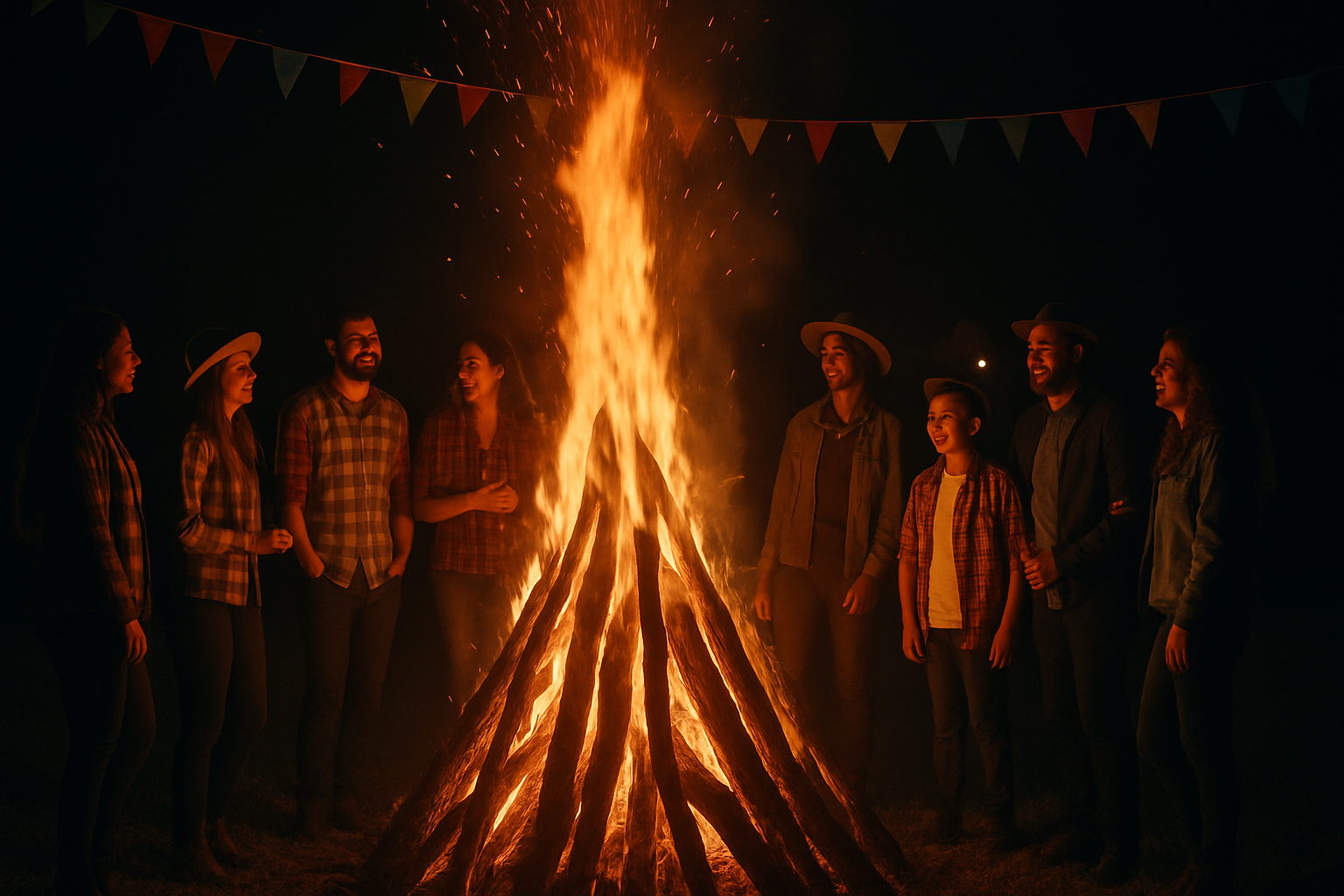
The Burn: On the penultimate night (Saturday), the Man—a massive wooden structure—is set on fire. This is the spiritual/cultural climax of the festival, where tens of thousands gather around a roaring inferno. It’s cathartic, emotional, and iconic.
On the final night, the Temple burns. The Temple has become a place where people leave written memorials, photos, and mementos of loved ones they’ve lost or people they want to honor. Watching it burn is deeply personal and community-oriented.
Physical and Mental Preparation: This Is Harder Than You Think
Despite what Instagram makes it look like, Burning Man is physically and psychologically demanding. You’re camping in extreme heat and cold, walking miles in dust every day, dealing with dehydration, and pushing yourself to stay awake during incredible nighttime experiences. Here’s how to prepare:
Physical Fitness: You don’t need to be an athlete, but being able to walk 5+ miles a day in sand and dust helps. Bring good shoes broken in beforehand.
Hydration: You’ll need 1-1.5 gallons of water per day. Some people bring more. It’s the number one thing that ruins the experience if you skimp on it. Dehydration leads to exhaustion, poor decisions, and illness. Bring electrolyte powder or drink to add to water—just water alone doesn’t replenish electrolytes.
Sleep: You won’t get much. Bring earplugs, an eye mask, and accept that you’ll be running on 4-5 hours of broken sleep for a week. By midweek, most people feel like zombies, and that’s normal.
Mindset: Burning Man can be emotionally intense. You’ll experience euphoria, exhaustion, wonder, frustration, loneliness, and connection—sometimes within the same hour. Be honest with yourself about your mental health going in. If you’re dealing with serious depression, anxiety, or trauma, have a support plan in place.
Survival Tips from People Who Know
Dust Management:
- Dust storms can hit without warning and reduce visibility to a few feet. Always carry a dust mask.
- Keep your tent zipped at all times, even when you’re in it (dust finds its way everywhere otherwise).
- Accept that you will be covered in white dust. Embrace it. You’ll take home dust in every piece of clothing and every crevice of your body.
Food and Eating:
- Bring more food than you think you need. Theme camps offer food, but don’t count on it.
- No-cook food is your friend: granola, nuts, protein bars, fruit, nut butter, crackers, cheese.
- People do buy ice and fuel (the only commodities for sale), so cold food is possible if you bring a cooler, though many don’t bother.
Bike or Mutant Vehicle?
- Most people get around on bikes. Rent one in Reno or bring your own. A bike lets you explore the city quickly.
- Some people ride in “mutant vehicles”—art cars decorated and modified for the festival. It’s more fun but requires knowing someone with a car or planning to make/rent one.
- Walking is also valid but tiring given the distances and dust.
Drugs and Substances:
- Burning Man has a “do what you want” vibe, but Black Rock City is also a federal jurisdiction with federal law enforcement present. Hard drugs carry serious legal consequences.
- If you choose to use anything, do it responsibly, test your substances (bring test kits), and have a buddy system.
- Dehydration and extreme temperature swings make substance use riskier than usual. Many people have bad experiences mixing the desert conditions with intoxication.
Community and Safety:
- Burning Man has a strong culture of looking out for each other. If you’re struggling, ask for help. People will give it.
- Theft happens, so don’t leave valuables lying around. Lock up your tent when you leave camp.
- The festival is remarkably safe overall, but use common sense about where and when you wander.
What to Wear When Everything Is an Art Installation
Dress code at Burning Man is “be creative and don’t wear much,” but the desert conditions require actual protective clothing:
During the Day:
- Light, breathable clothing (cotton isn’t ideal, synthetics dry faster)
- Wide-brimmed hat and sunglasses
- Closed-toe shoes or boots (walking on hot playa in flip-flops is terrible)
- Sunscreen on every exposed surface—reapply constantly
At Night:
- Multiple layers because temperature drops dramatically
- A warm jacket or hoodie
- Comfortable shoes for long walks/dancing
- Flashlight or bike light so you don’t trip in the dark
Embrace the Costumes:
- This is where the fun happens. Burning Man is a place to dress completely outside your normal self. Glitter, body paint, costumes, LED gear—nothing is too weird.
- Budget some money for outfit building, or thrift creative pieces from home
- Glow sticks, LED clothing, and EL wire make you visible at night and add to the experience
Getting There: The Logistics
Flying:
- Most international and distant travelers fly into Reno, Nevada. It’s the closest major airport, about two hours from the playa.
- Book flights early because prices jump significantly as Burning Man approaches.
- Consider buying a return flight that departs a day or two after exodus ends (September 9) to give yourself buffer time.
Renting a Vehicle:
- You can rent a car in Reno and drive to the playa (everyone does). The drive is straightforward but goes through rural Nevada.
- Some people organize bus trips or car-shares with other festival-goers to split costs and logistics.
Parking:
- Once you arrive at the festival site, you park your car in a giant lot (not in the city itself). You won’t drive it again until you leave. Everything from that point is by foot, bike, or mutant vehicle.
Money Matters: What Does Burning Man Actually Cost?
Conservative Budget for 2026:
- Ticket: ~$700
- Flight (from US): $200-500
- Car rental (split with 2-3 people): $50-150
- Gas: $20-40
- Food and water: $100-150
- Gear you might need to buy: $100-300
- Total: $1200-2000
If you already have camping gear and a group to share transportation with, you can do it for $1200-1500. If you’re going in solo and buying everything new, budget $2500-3000+.
Why People Keep Coming Back
Burning Man isn’t comfortable. It’s not cheap. It requires serious physical effort. And yet, people return year after year, some for 10, 15, or 20+ years running. Why?
Because there’s nothing else like it. The combination of world-class art, incredible music, radical self-expression, genuine human connection, and a temporary community built on radical principles creates experiences people remember for the rest of their lives. Out in the dust, exhausted and covered in sweat and dirt, dancing to music with thousands of beautiful strangers at 4 AM, watching the sunrise paint the desert pink and gold—there’s a magic that’s hard to describe and impossible to replicate anywhere else.
The Bottom Line for 2026
If you’ve been thinking about Burning Man, 2026 is as good a year as any to commit. Yes, it’s tough. Yes, it requires planning and money. Yes, you’ll be uncomfortable. But you’ll also experience something genuinely transformative—a festival that demands your participation, rewards your openness, and becomes part of your story.
Start planning now. Get your tickets when they go on sale. Gather your camp mates. Get your gear together. And come Labor Day weekend 2026, join the pilgrimage to Black Rock City. The desert is waiting, and it’s going to blow your mind.


Leave a Reply