

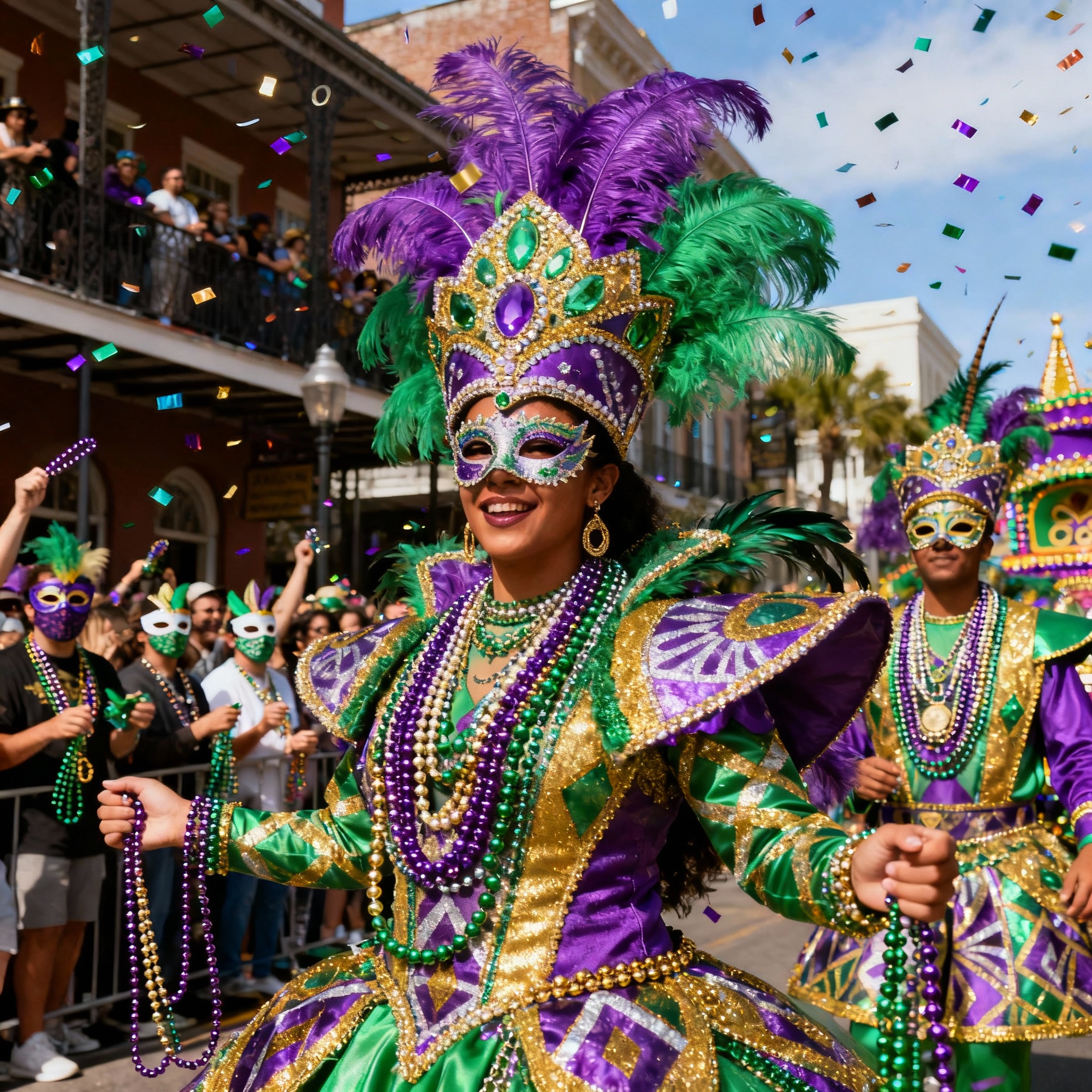
When the air fills with jazz music, colorful beads fly through the streets, and the intoxicating aroma of beignets and gumbo wafts from every corner, you know Mardi Gras season has arrived in New Orleans. As we look ahead to Mardi Gras New Orleans 2026, scheduled for Tuesday, February 17th, this ultimate guide will help you navigate America’s most spectacular celebration—a vibrant fusion of French, Spanish, African, and Caribbean cultures that transforms the Crescent City into the world’s greatest party.

Whether you’re a first-time visitor or a seasoned Mardi Gras veteran, understanding the rich history, intricate traditions, and practical logistics of this iconic festival will ensure you experience the magic of Fat Tuesday to its fullest. From exclusive krewe parades to family-friendly celebrations, from costume secrets to safety tips, this comprehensive guide covers everything you need to know about Mardi Gras 2026 in New Orleans.
The Rich History of Mardi Gras New Orleans 2026: From Ancient Rome to the Big Easy
Mardi Gras, which translates to “Fat Tuesday” in French, has roots stretching back over two millennia. The celebration originally began as ancient Roman pagan festivals celebrating spring and fertility, particularly Lupercalia and Saturnalia. When Christianity spread throughout the Roman Empire, church leaders strategically incorporated these popular festivals into the Christian calendar, transforming them into a final celebration before the solemn 40-day period of Lenten fasting and reflection.
The tradition arrived in North America on March 3, 1699, when French-Canadian explorer Pierre Le Moyne d’Iberville established a camp about 60 miles south of present-day New Orleans and named it “Pointe du Mardi Gras.” However, the first organized Mardi Gras celebration in New Orleans didn’t occur until 1703, shortly after the city’s founding in 1699.
The first recorded New Orleans Mardi Gras parade took place in 1837, but the festival as we know it today truly began in 1857 with the formation of the Mistick Krewe of Comus—the city’s first official parading organization or “krewe.” This krewe established many traditions that persist today, including themed parades, elaborate floats, and the practice of throwing trinkets to parade-goers.
Throughout the 19th and 20th centuries, Mardi Gras evolved into an increasingly elaborate celebration. The iconic purple, green, and gold colors were established in 1872 by the Krewe of Rex, with each color carrying symbolic meaning: purple for justice, green for faith, and gold for power. Today, these colors are synonymous with Mardi Gras and adorn everything from beads to buildings throughout the city.
Mardi Gras 2026: Key Dates and Carnival Season Timeline
Mardi Gras is not just a single day but rather the culmination of an entire Carnival season that begins on January 6th (Twelfth Night or Epiphany) and concludes on Fat Tuesday. For 2026, Mardi Gras falls on Tuesday, February 17th, which means the Carnival season will run from January 6th through February 17th.
The final two weeks before Mardi Gras Day are the most intense, with major parades rolling daily and sometimes multiple times per day. The weekend before Mardi Gras (February 14-15, 2026) features some of the largest and most spectacular parades, including Endymion on Saturday night and the legendary Bacchus parade on Sunday.
Understanding the Krewe System: The Heart of Mardi Gras
At the core of New Orleans Mardi Gras are the “krewes”—private social organizations that create and fund the elaborate parades that define the festival. Each krewe has its own unique identity, traditions, and style. Some krewes are over 150 years old, while others are relatively new additions to the Carnival landscape.
The most prestigious krewes include Rex (the King of Carnival), Zulu (the largest predominantly African-American krewe), Bacchus (known for celebrity monarchs and massive floats), Endymion (the largest parade with up to 3,000 riders), and the traditional old-line krewes like Comus, Momus, and Proteus.
Membership in these krewes is highly coveted and often passed down through generations. Members pay substantial annual dues (ranging from hundreds to thousands of dollars) for the privilege of riding on floats and throwing “throws” (beads, cups, doubloons, and other trinkets) to the crowds below.
Some krewes, particularly the old-line societies, maintain strict secrecy about their membership and traditions. Others, like the more modern super-krewes, embrace publicity and spectacle, incorporating celebrity guests, massive multi-story floats, and cutting-edge technology into their parades.
Mardi Gras New Orleans 2026 Major Parade Schedule: Mark Your Calendar
The parade schedule for Mardi Gras 2026 will follow traditional patterns, with the most spectacular events occurring during the final two weeks. Here’s what to expect:
Mardi Gras 2026 Major Parade Schedule
Date | Day | Krewe/Parade | Route | Time | Highlights
February 6 | Friday | Krewe of Druids | Uptown | 6:30 PM | Kicks off the final stretch
February 7 | Saturday | Krewe of Nyx | Uptown | 7:00 PM | All-female super krewe, 3,000+ riders
February 8 | Sunday | Krewe of Carrollton | Uptown | 12:00 PM | Family-friendly afternoon parade
February 8 | Sunday | Krewe of King Arthur | Uptown | 6:00 PM | Medieval-themed spectacular
February 10 | Tuesday | Krewe of Muses | Uptown | 6:30 PM | Famous for decorated shoes throws
February 13 | Friday | Krewe of Hermes | Uptown | 6:00 PM | Traditional old-line krewe
February 14 | Saturday | Krewe of Endymion | Mid-City | 4:15 PM | Largest parade with celebrity monarchs
February 15 | Sunday | Krewe of Bacchus | Uptown | 5:15 PM | Massive floats and celebrity king
February 16 | Monday | Krewe of Proteus | Uptown | 5:15 PM | Lundi Gras traditional procession
February 16 | Monday | Krewe of Orpheus | Uptown | 6:00 PM | Founded by Harry Connick Jr.
February 17 | Tuesday | Zulu Social Aid & Pleasure Club | Uptown | 8:00 AM | Historic African-American krewe
February 17 | Tuesday | Rex, King of Carnival | Uptown | 10:00 AM | Official king of Mardi Gras
Parade Routes and Best Viewing Spots
Understanding parade routes is crucial for maximizing your Mardi Gras experience. The two main parade routes are Uptown and Mid-City.
The Uptown route typically begins at Napoleon Avenue and Tchoupitoulas Street, proceeds down St. Charles Avenue through the Garden District, and ends at Canal Street. This is the traditional route used by most major krewes including Rex, Bacchus, Zulu, and Orpheus.
The Mid-City route, used primarily by Endymion, starts on Orleans Avenue, travels through Mid-City neighborhoods, and ends at the Mercedes-Benz Superdome for the krewe’s massive Extravaganza after-party.
Best Viewing Locations:
St. Charles Avenue between Jackson and Louisiana Avenues: Uptown locals’ favorite spot with great catch rates and authentic neighborhood atmosphere
Napoleon Avenue near the parade start: See floats fresh and fully loaded with throws
Garden District along St. Charles: Beautiful historic mansions as your backdrop
Canal Street near Claiborne: High energy, tourist-friendly, but extremely crowded
Magazine Street businesses: Some restaurants and bars offer balcony viewing for patrons
Local neighborhoods along Mid-City route: Less crowded with family-friendly vibes
Pro tips for parade viewing: Arrive at least 2 hours early for popular parades, bring a small ladder for children, pack snacks and drinks, and establish a meeting point in case your group gets separated.
Mardi Gras Traditions: More Than Just Beads
While catching beads is certainly fun, Mardi Gras traditions run much deeper than plastic necklaces.
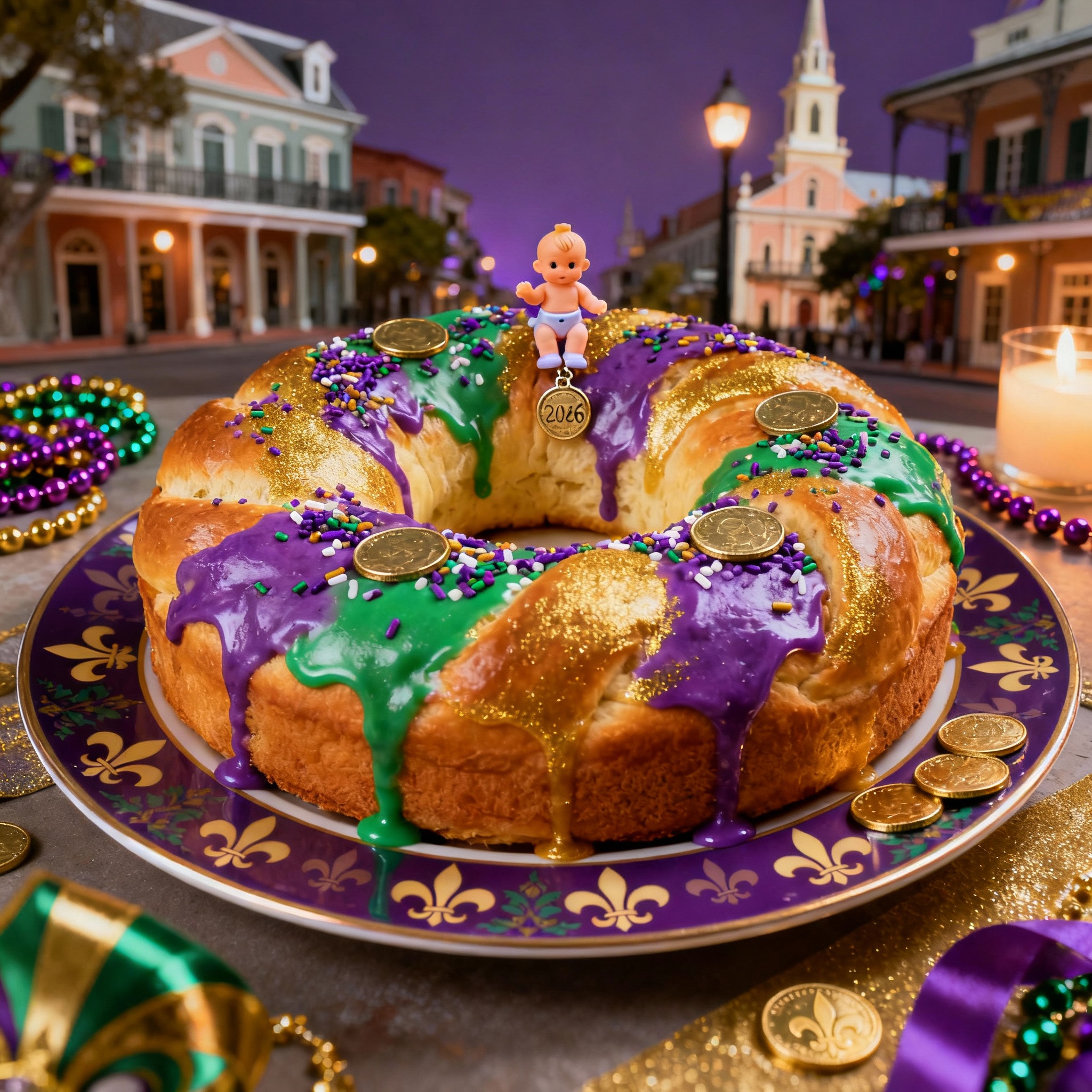
King Cake: This oval-shaped pastry decorated in purple, green, and gold is consumed throughout Carnival season. A tiny plastic baby is baked inside, and whoever finds it must host the next King Cake party or buy the next cake. The tradition symbolizes the search for baby Jesus by the Three Kings.
Throws and Treasures: Beyond beads, parade-goers covet special throws including hand-decorated coconuts from Zulu (considered the ultimate catch), lighted throws, custom krewe doubloons (aluminum coins), plush toys, and the decorated high-heeled shoes thrown by the all-female Muses krewe.
The Second Line: This unique New Orleans tradition involves brass band processions where revelers dance behind the band in a free-flowing, improvisational parade. During Mardi Gras, second lines occur throughout the city, creating spontaneous celebrations.
Masking and Costuming: Historically, masking allowed people to temporarily shed their social status and mingle freely. Today, wearing costumes on Mardi Gras Day is a beloved tradition. Many locals spend months creating elaborate handmade costumes.
Flambeau Carriers: These torch bearers traditionally illuminated night parades before electric lights on floats. Some traditional krewes still employ flambeau carriers, creating a dramatic, historic atmosphere.
The Mardi Gras Indians: One of the most spectacular traditions involves African-American communities creating elaborate, hand-beaded and feathered “suits” inspired by Native American culture. These “tribes” parade through neighborhoods, particularly on Mardi Gras Day and Super Sunday, showcasing suits that take thousands of hours to create.
How Locals Celebrate Mardi Gras
For New Orleanians, Mardi Gras isn’t just a tourist event—it’s a deeply personal celebration woven into the fabric of their identity. Local celebrations differ significantly from the tourist-focused French Quarter scene.
Many locals begin their Mardi Gras Day by attending neighborhood parades and visiting friends’ houses along parade routes. Families set up elaborate viewing areas with ladders, chairs, grills, and coolers, transforming parade routes into temporary outdoor living rooms.
Krewe membership represents a significant commitment and source of pride for locals. Families often belong to multiple krewes across generations, with krewe activities and meetings occurring year-round, not just during Carnival season.
Backyard parties and King Cake gatherings define the weeks leading up to Mardi Gras. Every office, school, and social group hosts King Cake parties where participants share the decorated pastry and whoever finds the baby hosts the next party.
Many locals avoid the French Quarter entirely on Mardi Gras Day, preferring Uptown neighborhood celebrations or creating their own elaborate costume groups with friends. Some spend the entire year planning group themes, creating matching costumes, and coordinating meeting spots.
The day after Mardi Gras (Ash Wednesday) brings a palpable shift in energy. Many locals observe Lent by giving up alcohol or other indulgences, having thoroughly enjoyed themselves during Carnival season. The city collectively exhales, and normal life resumes—until planning begins for next year’s celebration.
How Tourists Can Experience Authentic Mardi Gras
Visiting Mardi Gras offers tourists an unparalleled cultural experience, but knowing how to navigate the celebration makes all the difference.
First-time visitors should experience both tourist-friendly areas and local neighborhoods. Bourbon Street offers wild, uninhibited partying (adults-only), while Uptown parades along St. Charles Avenue provide family-friendly, authentic New Orleans Carnival experiences.
Respect local traditions by calling out to float riders—”Throw me something, mister!” is the traditional phrase, regardless of the rider’s gender. Make eye contact with riders to increase your catch rate. Wave, dance, and show enthusiasm; krewe members throw more to engaged spectators.
Don’t limit yourself to major parades. Smaller neighborhood parades like Krewe of Barkus (for dogs), Krewe du Vieux (adult-themed satire), and Chewbacchus (sci-fi themed) offer unique experiences with more intimate atmospheres.
Purchase tickets to a krewe ball if you want to witness the traditional pageantry that occurs indoors. While most balls are private, some krewes sell limited public tickets. The Rex and Zulu balls on Mardi Gras night are particularly prestigious, though difficult to access.
Venture beyond the obvious. Explore Mardi Gras Indian neighborhoods on Super Sunday, visit the French Quarter during quieter afternoon hours to appreciate architecture, and take streetcars to different neighborhoods to experience diverse celebration styles.
Eat like a local. Traditional Mardi Gras foods include King Cake, red beans and rice (Monday tradition), jambalaya, gumbo, po’boys, beignets from Café du Monde, and hurricanes or Sazeracs from historic bars. Make restaurant reservations well in advance, as popular spots book months ahead.
Costume Tips for Mardi Gras New Orleans 2026
Costuming for Mardi Gras can range from simple to spectacular, but participating in this tradition enhances your experience significantly.
For casual costumes, incorporate the traditional purple, green, and gold colors. Simple options include:
- Colorful wigs, hats, or headbands with feathers
- Face paint or masks (masking is traditional)
- Beaded or sequined accessories
- Tutus or colorful skirts
- Creative sunglasses or novelty items
- Body paint or temporary tattoos in Mardi Gras colors
For more elaborate costumes, consider these approaches:
Group themes with friends or family create memorable experiences and great photo opportunities. Popular themes include historical figures, pop culture references, matching krewe-style outfits, or clever puns.
Handmade elements show appreciation for the tradition. Locals respect costuming effort, and handcrafted costumes often receive compliments and better throws from parade riders.
Comfort is crucial. You’ll walk miles and stand for hours, so wear comfortable shoes (many locals wear running shoes with costumes), dress in layers (February weather is unpredictable), and ensure your costume allows easy movement.
Practical considerations:
- Avoid overly revealing costumes if attending family-friendly parades
- Include pockets for phones, money, and essentials
- Weather-appropriate base layers (temperatures can range from 40s to 70s°F)
- Waterproof or water-resistant elements for potential rain
- Costumes that allow easy bathroom access (port-a-potties are standard)
Where to buy costume elements in New Orleans:
- Uptown Costume & Dancewear
- Spirit Halloween (seasonal)
- French Quarter souvenir shops
- Thrift stores for creative base pieces
- Party City locations
Many visitors purchase basic costume elements before arriving and add local touches after arrival.
Must-Visit Places During Mardi Gras New Orleans 2026
New Orleans offers countless experiences beyond parades. Incorporate these destinations into your Mardi Gras visit:
French Quarter and Bourbon Street: The epicenter of tourist Mardi Gras, Bourbon Street becomes an adults-only street party with balcony bead throws. Visit during daylight for a tamer experience, or late night for wild celebrations. Remember: public alcohol consumption is legal in New Orleans (in plastic “go cups” only), but public urination and disorderly conduct are not.
Frenchmen Street: Located in the Marigny neighborhood, Frenchmen Street offers live music venues featuring local jazz, brass bands, and contemporary music. Less touristy than Bourbon Street, it provides authentic New Orleans nightlife with exceptional musical talent.
Mardi Gras World: Take a behind-the-scenes tour of Blaine Kern Studios, where many parade floats are designed and constructed. Open year-round, this attraction offers insight into float-making artistry and includes opportunities to try on krewe costumes.
The Presbytère: This Louisiana State Museum on Jackson Square hosts an extensive permanent Mardi Gras exhibit exploring the festival’s history, traditions, and cultural significance. Costumes, throws, and interactive displays make this educational and entertaining.
City Park: Host to several mid-size parades, City Park also offers the New Orleans Museum of Art, sculpture gardens, and the Sydney and Walda Besthoff Sculpture Garden. A peaceful retreat from Carnival chaos.
Magazine Street: This six-mile stretch features boutique shopping, galleries, restaurants, and bars. Several parades travel portions of Magazine Street, and the area offers excellent dining and shopping during parade downtimes.
Garden District: Beyond parade viewing, the Garden District offers stunning 19th-century mansions, oak-lined streets, and the historic Lafayette Cemetery No. 1. Take a walking tour to appreciate the architecture.
Audubon Park and Zoo: Family-friendly destination offering green spaces, the Audubon Zoo, and peaceful areas away from crowds. Located along the St. Charles streetcar line.
Jackson Square: The heart of the French Quarter features street performers, artists, fortune tellers, and the iconic St. Louis Cathedral. Surrounding the square, historic buildings house museums, restaurants, and shops.
Lafayette Square: During major parade weekends, this downtown square transforms into the Krewe of Cork food and wine festival, offering tastings from New Orleans restaurants with live entertainment.
Practical Travel Tips for Mardi Gras New Orleans 2026
Successful Mardi Gras experiences require advance planning and smart logistics.
Accommodations:
Book hotels 6-12 months in advance. Prices surge during Carnival season, especially for the final week. Consider staying in neighborhoods like the Garden District, Marigny, or Bywater for more affordable options with easy streetcar access to parade routes. Vacation rentals and Airbnbs book quickly but offer cost-effective options for groups.
Expect minimum stay requirements (typically 3-5 nights) and significantly higher rates. Budget $200-$500+ per night depending on location and accommodation type. Hotels along parade routes command premium prices but offer unbeatable convenience.
Transportation:
Louis Armstrong New Orleans International Airport (MSY) serves the city with direct flights from major hubs. Book flights early as prices increase closer to Mardi Gras.
Within the city, transportation options include:
Streetcars: The historic St. Charles Avenue streetcar runs along the main parade route. Expect crowds and delays during parades. Cost: $1.25 per ride or $3 for a day pass.
Ride-sharing: Uber and Lyft operate but surge pricing applies during peak times. Service becomes unreliable during major parades due to street closures.
Bicycles: Bike rentals offer flexibility for navigating between neighborhoods. Blue Bikes (bike-share) stations operate throughout the city.
Walking: Many attractions and parade routes are walkable. Comfortable shoes are essential—expect to walk 5-10 miles per day.
Pedicabs: Human-powered cabs operate in the French Quarter and along parade routes. Negotiate prices before riding.
Avoid driving: Street closures and limited parking make driving frustrating. If you rent a car, park it and use alternative transportation.
Weather and Packing:
New Orleans weather in February is unpredictable. Temperatures typically range from 45°F to 70°F, but prepare for anything.
Essential packing items:
- Layers: T-shirts, long sleeves, and a jacket
- Rain gear: Compact rain jacket or poncho
- Comfortable walking shoes: Broken-in sneakers or boots
- Backpack or crossbody bag: Keep hands free for catching throws
- Reusable water bottle: Stay hydrated
- Portable phone charger: Full battery is crucial for photos and navigation
- Cash: Many vendors and bars prefer cash
- Sunscreen and sunglasses: Even winter sun can be strong
- Hand sanitizer and wet wipes: Port-a-potties often lack supplies
- Ziploc bags: Protect phones and valuables from rain or spills
Budget Planning:
Mardi Gras can be budget-friendly or expensive depending on choices:
Parade viewing: FREE (standing on public streets)
Accommodations: $200-$500+ per night
Food: $30-$100+ per day (varies with restaurant choices)
Drinks: $8-$15 per cocktail in bars; cheaper at convenience stores
Krewe ball tickets: $50-$300+ (if available publicly)
Museum admissions: $10-$25 per attraction
Transportation: $10-$50 per day
Budget tip: Parades are free, so allocate funds toward accommodations and food. Buy drinks from convenience stores (legal to carry in plastic cups) rather than bars to save significantly.
Ticketing and Reserved Seating for Parades
While most Mardi Gras parade viewing is free from public streets, premium viewing options exist for those seeking comfort and guaranteed sightlines.
Laden Viewing Stands and Grandstands:
Several companies erect temporary grandstands along St. Charles Avenue at Canal Street. These offer:
- Elevated views above street crowds
- Restroom facilities
- Sometimes included food and beverages
- Protection from crowds
- Guaranteed seating
Prices range from $50 to $300+ depending on the parade and amenities. Major parades like Bacchus, Endymion, and the Mardi Gras Day parades command highest prices.
Book through official vendors:
- Mardi Gras Grandstand (mardigrasgrandandstand.com)
- Various hotels and tour companies offer packages
Balcony Rentals:
Private balconies along parade routes, particularly on St. Charles Avenue and in the French Quarter, are rented by property owners. These provide:
- Private viewing spaces
- Weather protection
- Bathrooms and climate control
- Premium throwing experiences (you throw beads to the crowd below)
- Unobstructed parade views
Prices vary wildly from $500 to $5,000+ for the entire Carnival season or specific days. Book through vacation rental sites, Craigslist, or local connections. Verify legitimacy before paying.
Krewe Ball Tickets:
Traditional krewe balls occur on parade nights and feature formal pageantry, dancing, and presentations. Most balls are invitation-only for krewe members and guests, but some krewes sell limited public tickets:
- Krewe of Endymion Extravaganza: Held at the Superdome after the Saturday parade, this is the most accessible ball with tickets available for purchase ($50-$150+). Features live entertainment, dancing, and krewe presentations.
- Other krewes occasionally offer public tickets but they sell out quickly. Check individual krewe websites in December/January for availability.
Restaurant Parade Viewing:
Many restaurants along parade routes offer parade-viewing dining packages. Reserve months in advance for popular spots. Expect:
- Premium pricing ($75-$300+ per person)
- Fixed menus
- Indoor/outdoor seating with parade views
- Restroom access
- Drinks and food included
Popular parade-viewing restaurants:
- Commander’s Palace (Garden District)
- Columns Hotel (Uptown)
- Various St. Charles Avenue establishments
Safety Tips for Mardi Gras 2026
Mardi Gras is generally safe, but large crowds and alcohol consumption require common-sense precautions.
Personal Safety:
- Stay aware of surroundings at all times
- Travel in groups, especially at night
- Establish meeting points in case of separation (cell service can be spotty in crowds)
- Keep valuables secure; pickpockets target distracted parade-goers
- Use crossbody bags or secure pockets for phones, wallets, and IDs
- Don’t leave drinks unattended
- Know your limits with alcohol
- Stay hydrated—alternate alcoholic drinks with water
- Eat regularly to maintain energy and moderate alcohol effects
Avoid These Common Mistakes:
- Wearing new shoes (blisters ruin experiences)
- Carrying backpacks in dense crowds (makes you a target and annoys others)
- Driving during parade hours (you’ll be stuck for hours)
- Leaving your group without establishing a meet-up plan
- Fighting over throws (it’s just plastic; stay friendly)
- Climbing on public structures or monuments (illegal and dangerous)
- Public urination (illegal with $100-$500 fines; use port-a-potties)
Child Safety:
If bringing children:
- Keep them close in crowds; consider child harnesses for toddlers
- Bring small ladders for viewing (purchase locally for $20-$30)
- Choose family-friendly parades (daytime Uptown parades)
- Avoid Bourbon Street entirely (adults-only atmosphere)
- Pack snacks, drinks, and entertainment for waiting
- Have children wear identification bracelets with contact info
- Take photos of children at the start of each day (for identification if separated)
- Establish clear rules about staying together
Health and Medical:
- Know your nearest hospital: University Medical Center, Ochsner Medical Center, and Tulane Medical Center serve the area
- Carry any necessary medications
- Protect against sun exposure
- Watch for symptoms of overheating or dehydration
- Be cautious with street food if you have food allergies
- Emergency number: 911
Street Smarts:
- Stick to well-lit, populated areas at night
- Avoid poorly lit side streets
- Be cautious accepting drinks from strangers
- Trust your instincts; if something feels wrong, leave
- Know that Bourbon Street has a significant police presence
- Download offline maps in case of poor cell service
- Charge your phone fully before heading out
Respect and Etiquette:
- Don’t grab throws from children
- Don’t cross police barricades
- Be respectful to locals’ property (many live along parade routes)
- Don’t litter; dispose of beads and trash properly
- Say “please” and “thank you” when interacting with locals
- Ask permission before photographing people in elaborate costumes
- Tip service workers generously (they’re working during the city’s busiest time)
Legal Considerations:
- Open container laws allow alcohol in plastic cups only (no glass, no cans)
- Public intoxication can result in arrest
- Marijuana remains illegal under federal law (despite state-level changes)
- Respect private property—balconies and yards are not public spaces
- Mardi Gras Day parade routes have alcohol restrictions in some areas for safety
Conclusion: Embrace the Magic of Mardi Gras 2026
Mardi Gras in New Orleans represents far more than a party—it’s a cultural phenomenon that has evolved over three centuries, blending European traditions with African, Caribbean, and American influences to create something entirely unique. From the solemn traditions of old-line krewes to the exuberant celebrations of modern super-krewes, from the artistic brilliance of Mardi Gras Indian suits to the joyful chaos of Bourbon Street, Mardi Gras offers experiences for every type of traveler. Like other iconic American festivals such as Thanksgiving celebrations that bring families together, Mardi Gras creates unforgettable cultural memories.Thanksgiving 2025: The Ultimate Guide to America’s Beloved Holiday – History, Traditions, Recipes & Modern Celebrations
As you plan your Mardi Gras 2026 adventure for February 17th and the spectacular weeks leading up to it, remember that the true spirit of Carnival lies in letting go of inhibitions, embracing joy, and connecting with fellow revelers. Whether you’re catching your first strand of beads from a St. Charles Avenue balcony, savoring your first bite of King Cake, dancing in a second line behind a brass band, or simply soaking in the indescribable energy of the Crescent City during its most magical season, you’re participating in a tradition that has brought people together for generations.
Laissez les bons temps rouler—let the good times roll—and may your Mardi Gras 2026 be filled with unforgettable moments, spectacular throws, incredible music, amazing food, and the kind of joy that can only be found in New Orleans during Carnival season. Start planning early, embrace the traditions, respect the culture, and prepare yourself for America’s greatest party. Mardi Gras 2026 awaits, and the streets of New Orleans are ready to welcome you to the celebration of a lifetime.


Leave a Reply