

Pongal 2025stands as one of India’s most celebrated harvest festivals, marking the transition from one solar month to another. Known by different names across the country, this ancient festival brings families together with vibrant traditions, colorful decorations, and mouth-watering cuisine. If you’re planning to experience this magnificent celebration in 2025, here’s everything you need to know about Pongal.
What is Pongal?
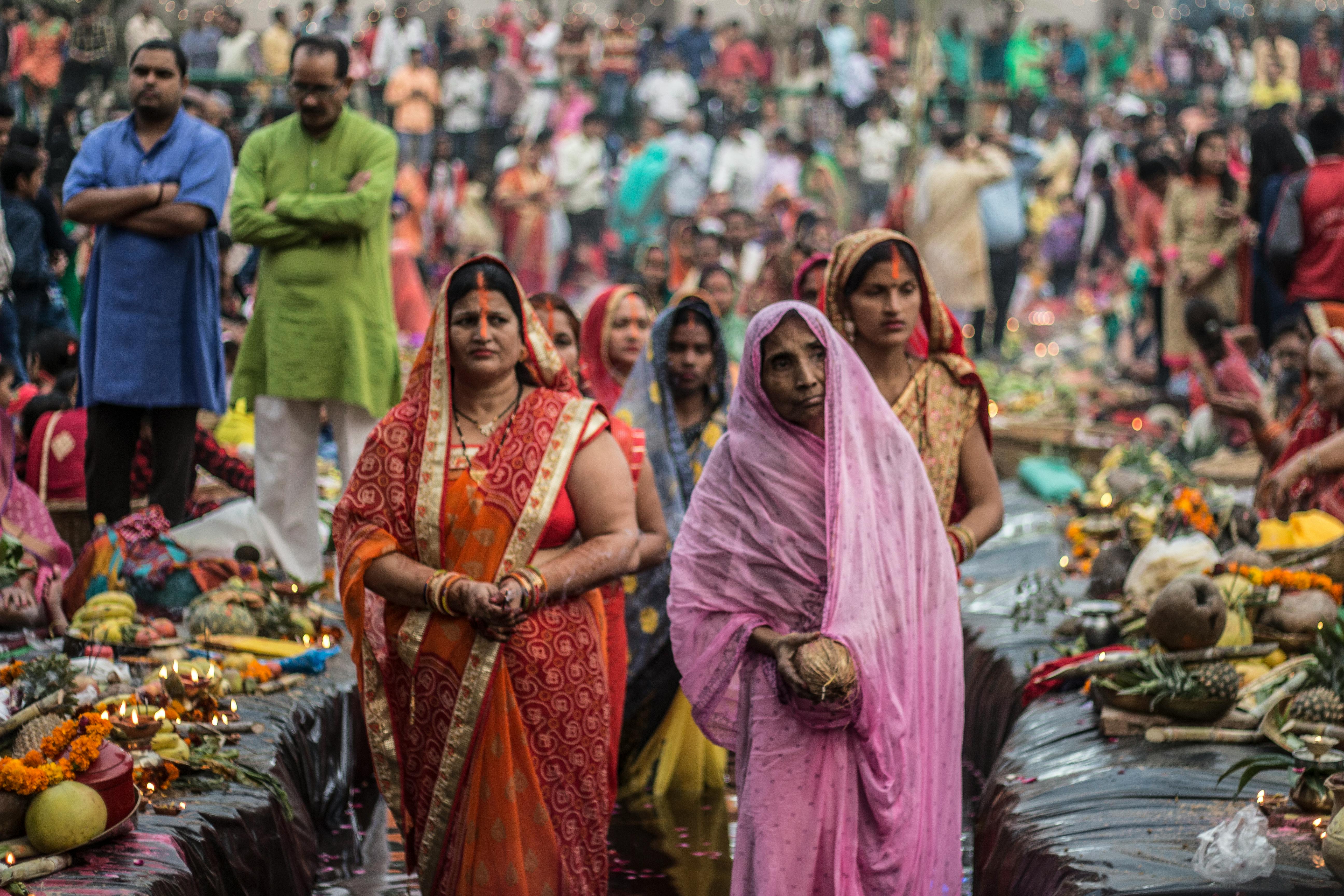
Pongal, derived from the Tamil word meaning “to boil over,” is a harvest festival primarily celebrated by Tamil-speaking communities across South India. It typically falls between January 13-15 every year, marking the end of the Tamil month of Margazhi and the beginning of Thai. The festival celebrates the arrival of spring and honors the sun god Surya for a bountiful harvest.
While Pongal is predominantly a Tamil celebration, similar harvest festivals are celebrated under different names across India. Makar Sankranti in North and Central India, Lohri in Punjab, Poush Sankranti in Bengal, and Bhogi in Telangana all mark the same auspicious occasion with their unique regional flavors.
The Four-Day Pongal Celebration
Pongal isn’t celebrated for just one day. Instead, it unfolds over four beautiful days, each carrying its own significance and traditions:
Bhogi Pongal (Day One)
The festival kicks off with Bhogi Pongal, where families discard old possessions and welcome the new. This day symbolizes cleansing and renewal, as people burn old clothes, wooden articles, and hay in bonfires. The tradition represents shedding negativity and welcoming fresh beginnings. Homes are whitewashed, and the scent of sandalwood and jasmine fill the air as families prepare for the main festivities.
Thai Pongal (Day Two)
The main event and undoubtedly the most important day of the celebration. On this auspicious day, families prepare the special pongal dish in new clay pots. The cooking itself becomes a celebration as the rice, lentils, and jaggery are cooked together outdoors, and when the mixture starts boiling over (hence the name pongal), family members shout “Pongalo Pongal!” in joy and excitement. This is followed by a grand feast where the newly cooked pongal is offered to the sun god and then shared with family members and neighbors.
Mattu Pongal (Day Three)
Dedicated to cattle and livestock, Mattu Pongal honors the animals that help farmers with agriculture and transportation. Cows and bulls are decorated with colorful painted horns, flower garlands, and bells. They’re fed the special pongal prepared on the previous day, and parades of decorated cattle known as Jallikattu take place in certain regions, though this practice remains controversial due to animal welfare concerns.
Kaanum Pongal (Day Four)
The final day marks the end of the festival. The word “Kaanum” means to see or watch, and this day is dedicated to enjoying nature and spending time with friends and extended family. People fly colorful kites, creating a mesmerizing spectacle across the sky, and meet neighbors and friends to exchange sweets and good wishes.
Traditional Pongal Decorations and Customs
The visual transformation during Pongal is remarkable. Every home displays intricate rangoli designs at their entrances, created using colored rice flour, turmeric, and natural dyes. These artistic designs often depict religious themes, harvest imagery, and auspicious symbols.
Sugarcan stalks, called “Yekkili,” are tied up and displayed outside homes. Fresh flowers, mango leaves, and coconut fronds are used to decorate doorways, creating a vibrant and festive atmosphere. The entire neighborhood becomes a canvas of colors and tradition.
Pot arrangements, where pots are stacked on top of each other and decorated with colorful cloth and flowers, become iconic symbols of the festival. These are often placed at street corners and public spaces, creating a unique aesthetic that’s distinctly Pongal.
The Culinary Magic of Pongal
No celebration is complete without food, and Pongal brings some of the most delightful dishes to Indian cuisine. The star of the show is undoubtedly Pongal itself – a savory dish made from newly harvested rice, moong dal, ginger, black pepper, and nuts, all cooked together with jaggery for a hint of sweetness.
But the culinary journey doesn’t stop there. Families prepare an array of traditional sweets and savory items:
Payasam: A creamy dessert made from rice, jaggery, and ghee, often flavored with cardamom and topped with nuts. Each region has its own variation, from the coconut-rich versions of Tamil Nadu to the more elaborate versions in other parts of South India.
Chakli: Spiral-shaped savory snacks made from rice flour, salt, and spices, fried to golden perfection. These store well and make excellent gifts.
Murukku: A textured spiral snack that’s both crunchy and flavorful, made with rice flour, lentil flour, and sesame seeds.
Til Laddus: Sweet balls made from sesame seeds and jaggery, believed to warm the body during the winter months. The literal meaning of sharing these laddus is “to enjoy sweetness and warmth in relationships.”
Vada: Savory fried donuts made from lentil flour, often served as breakfast or snacks.
Upma: A warm savory porridge made from semolina or rice flour, flavored with mustard seeds, curry leaves, and vegetables.
Regional Variations Across India
While Pongal is primarily a Tamil celebration, the essence of the harvest festival is celebrated across India in different forms:
Makar Sankranti in North India involves the creation of colorful kites and flying them against the backdrop of blue skies. This tradition has made Makar Sankranti equally iconic for its aerial spectacle.
Lohri in Punjab involves bonfires where families gather around, throw puffed rice and popcorn into the flames, and sing traditional songs. It’s marked by the distribution of sesame seed and jaggery sweets.
Poush Sankranti in Bengal focuses on the preparation of sweet treats like til naru (sesame brittle) and the lighting of bonfires.
Where and How to Celebrate Pongal 2025
If you’re interested in experiencing authentic Pongal celebrations, consider planning a trip to South India. Tamil Nadu, particularly cities like Chennai, Madurai, and Tiruvannamalai, offer the most vibrant celebrations.
For the best experience:
Visit temples: Temples in South India organize special prayers and distribute blessed pongal to devotees.
Explore local neighborhoods: Walk through residential areas to witness the elaborate rangoli displays and pot arrangements.
Attend local fairs: Many towns organize Pongal fairs where you can experience traditional music, dance, and local crafts.
Join family celebrations: If you have Tamil friends or contacts, being invited to a family celebration would offer the most authentic experience.
Try cooking pongal: Many culinary tours and cooking classes are organized in South India during this time, where you can learn to prepare traditional dishes.
Pongal 2025 Dates
Mark your calendars! Pongal 2025 will be celebrated on:
- Bhogi Pongal: January 13, 2025
- Thai Pongal: January 14, 2025
- Mattu Pongal: January 15, 2025
- Kaanum Pongal: January 16, 2025
Cultural Significance and Modern Celebrations
Pongal isn’t just about traditions; it represents the agrarian roots of Indian civilization. In an increasingly urbanized India, Pongal serves as a reminder of our connection to farming, nature, and seasonal cycles. Many urban Indians who’ve migrated to metros and international cities celebrate Pongal as a way to stay connected to their roots.
Modern celebrations have evolved to incorporate contemporary elements while maintaining traditional values. Food delivery services now offer special Pongal menus, temples livestream celebrations for those unable to attend in person, and social media has turned Pongal into a platform for cultural exchange and learning.
The festival has also gained international recognition, with Indian diaspora communities worldwide celebrating Pongal in their own contexts, introducing this beautiful harvest festival to people of different cultures and backgrounds.
The Spirit of Sharing
What makes Pongal truly special is its emphasis on sharing and gratitude. The phrase “Pongalo Pongal” doesn’t just announce the completion of cooking; it’s an expression of joy and a call to share abundance. Every household, regardless of economic status, celebrates Pongal with what they have and shares with those in need.
This spirit of generosity and community is perhaps the most valuable lesson Pongal teaches us in our modern world.
Final Thoughts
Pongal 2025 offers a wonderful opportunity to immerse yourself in one of Asia’s most vibrant harvest festivals. Whether you’re a traveler seeking authentic cultural experiences, a food enthusiast eager to explore regional cuisines, or someone interested in understanding Indian traditions, Pongal promises unforgettable memories.
The festival reminds us to celebrate nature’s bounty, strengthen our family bonds, and embrace the cyclical nature of life with gratitude and joy. As you plan your Pongal celebration in 2025, remember that the essence of this festival lies not just in the rituals and decorations, but in the warmth of community, the joy of togetherness, and the eternal human gratitude for nature’s gifts.
So, whether you’re participating in the colorful parades, decorating your home with vibrant rangolis, or simply enjoying a bowl of freshly cooked pongal with loved ones, embrace the magic of this 4000-year-old tradition. Pongalo Pongal!


Leave a Reply